Aluminum Foundry advancements that reinforce the value of precision engineering
Wiki Article
Leading Factors Aluminum Shop Casting Is Taken Into Consideration Eco-Efficient and Sustainable and eco-efficient
Light weight aluminum foundry casting has actually become a leading approach for sustainable production. Its high recyclability sets it apart, allowing for uncertain reuse with marginal power expenses. The manufacturing procedure is developed to be energy-efficient, adding to a considerably decreased carbon footprint. Additionally, improvements in technology have resulted in lower waste generation. These factors, in addition to the assistance for circular economic situation principles, increase important questions about the future of this eco-efficient method.High Recyclability of Light Weight Aluminum
Light weight aluminum's high recyclability stands as a foundation of its sustainability profile. This metal can be recycled indefinitely without shedding its crucial buildings, making it an important part of a round economy. Roughly 75% of aluminum ever produced is still in operation today, showcasing its durability and reusability - Foundry. The recycling process requires only 5% of the power needed for primary aluminum production, considerably reducing carbon emissions and source depletionReusing light weight aluminum additionally preserves natural deposits, minimizing the requirement for bauxite extraction, which can be ecologically harmful. On top of that, the recycled aluminum can be transformed into new items, varying from drink containers to automobile components, thereby sustaining numerous industries. As consumer understanding of ecological concerns grows, the demand for recycled aluminum is anticipated to climb, motivating extra efficient practices. On the whole, the high recyclability of light weight aluminum not just improves its sustainability however also leads the way for a much more responsible technique to resource monitoring.
Power Efficiency in Manufacturing
A substantial aspect of light weight aluminum shop casting is its emphasis on energy efficiency in manufacturing processes. Making use of advanced innovations, such as die casting and investment casting, enables for accurate control over the material and energy inputs required. These techniques reduce waste and maximize the melting and spreading cycles, reducing total power usage.In addition, modern-day factories utilize insulation methods to retain warm throughout the melting process, better enhancing power efficiency - Metal Casting. The assimilation of renewable resource resources, such as solar and wind power, is becoming significantly common, contributing to a more lasting production atmosphere
Lowered Carbon Impact
Power efficiency not just improves manufacturing processes however likewise plays a considerable role in lowering the carbon impact of aluminum foundry casting. The adoption of sophisticated modern technologies, such as energy-efficient furnaces and enhanced melting strategies, reduces power consumption, which straight associates with reduced greenhouse gas exhausts. As a result, this shift not only supports environmental goals yet additionally adds to the sustainability of industrial operations.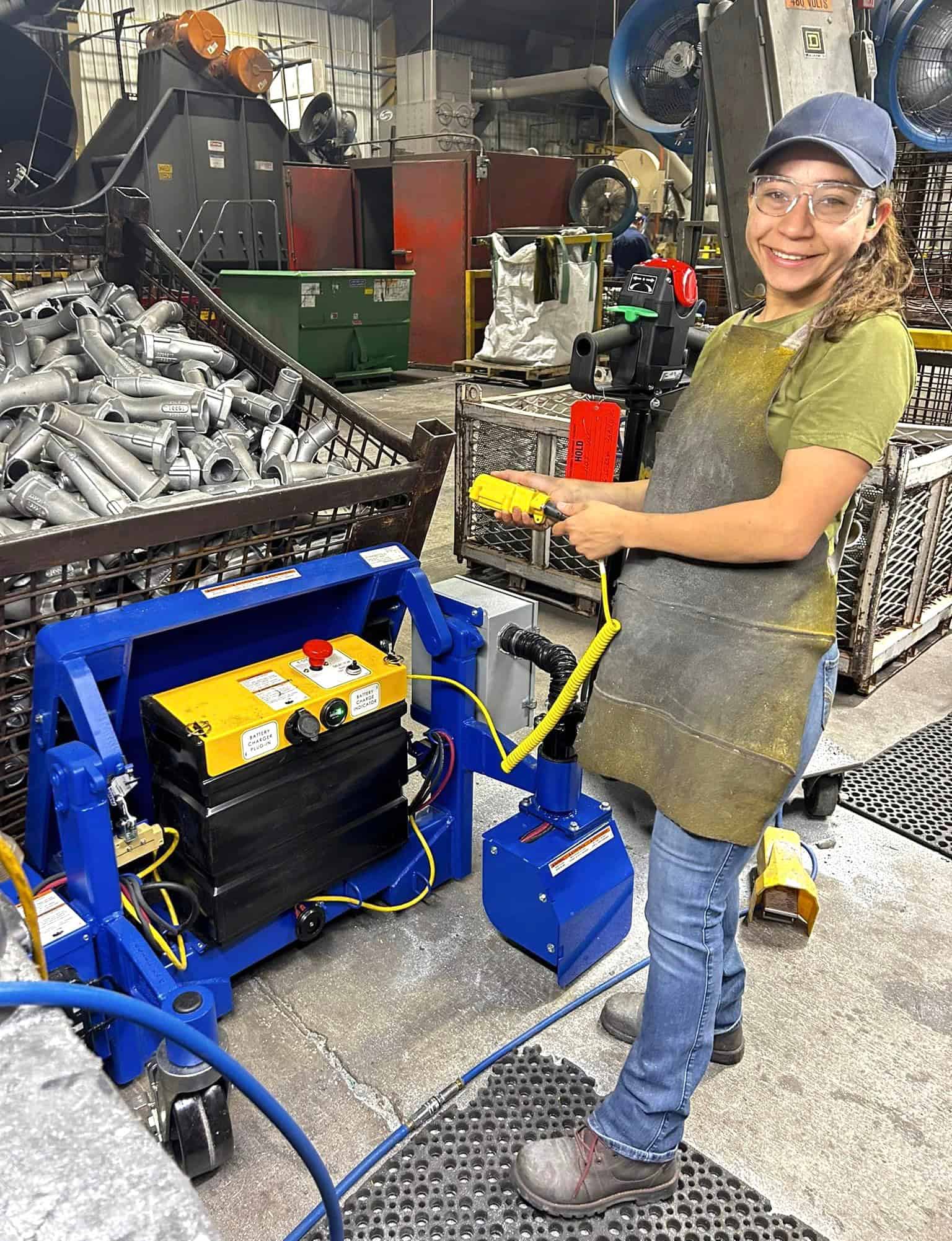
Lower Waste Generation
In the pursuit of eco-efficient light weight aluminum shop casting, reducing material waste is extremely important. By making use of recyclable steel and applying reliable manufacturing procedures, factories can greatly minimize waste generation. This method not only preserves resources but likewise improves total sustainability in the casting sector.Minimal Product Waste
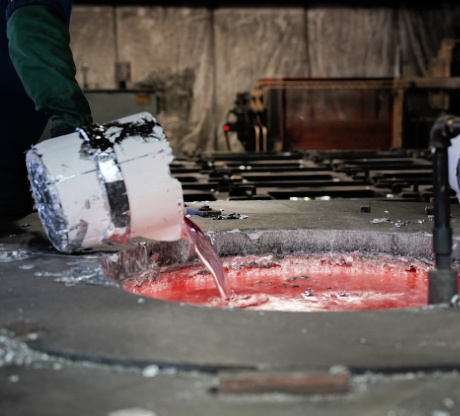
While functioning towards sustainability, the aluminum shop market focuses on very little material waste as a key purpose. This strategy includes maximizing the style and manufacturing procedures to lower excess product throughout manufacturing. Advanced modeling strategies and computer-aided layout permit precise computations, ensuring that every piece of aluminum offers an objective. In addition, shops implement reliable mold and mildew layouts that take full advantage of the use of aluminum while reducing scrap. By employing rigorous quality assurance actions, issues can be recognized early, more decreasing product waste. The fostering of lean production principles encourages continuous enhancement, fostering a culture of waste reduction throughout the production cycle. Eventually, these techniques not only improve functional effectiveness however likewise add to an extra lasting manufacturing setting in the aluminum shop field.Recyclable Metal Use
Efficient Manufacturing Processes
Efficient manufacturing procedures are vital for lessening waste generation in aluminum factories, as they straight impact resource application and environmental sustainability. By taking on sophisticated production techniques, factories can considerably decrease scrap rates and energy intake. Strategies such as lean production and just-in-time manufacturing streamline operations, enabling suitable usage of resources and minimizing excess inventory. Additionally, the application of reusing and re-melting methods ensures that any surplus aluminum is repurposed, even more decreasing waste. Automation and precision in casting processes additionally add to higher accuracy, lowering the requirement for rework and connected waste. Ultimately, these efficient manufacturing procedures not just boost the foundry's economic performance but also promote a more lasting method to aluminum spreading.Lengthy Product Life Cycle
The long product life cycle of light weight aluminum castings is mainly credited to their phenomenal resilience and stamina. These characteristics cause a decreased frequency of replacements, permitting more lasting use with time. As a result, the long life of these products adds significantly to eco-efficiency in producing processes.Durability and Toughness
Sturdiness and strength are vital consider the long item life cycle of aluminum spreadings. These properties ensure that aluminum parts can stand up to harsh atmospheres, mechanical tensions, and temperature level changes without substantial deterioration. The inherent resistance of light weight aluminum to rust additionally improves its durability, making it suitable for different applications, from automotive components to architectural elements in buildings. In addition, the ability to preserve architectural integrity gradually reduces the chance of failings, which is necessary in sectors where safety is vital. The mix of these features leads to enhanced dependability and performance, ultimately adding to a much more lasting technique in production. Subsequently, light weight aluminum spreadings not just offer their desired objective effectively but also promote resource effectiveness with their extended usability.Decreased Replacement Frequency
A substantial benefit of light weight aluminum castings is their decreased substitute frequency, which adds to a longer product life cycle. This durability is connected to the inherent buildings of light weight aluminum, including its resistance to deterioration and wear. Unlike other products that might break down gradually, light weight aluminum preserves its structural integrity under various ecological conditions. Products made from light weight aluminum spreadings call for much less constant replacement, leading to reduced resource intake and waste generation. In addition, the prolonged life cycle of aluminum elements implies that less materials require to be mined and refined, even more enhancing their eco-efficiency. This sustainability element not only benefits suppliers however also lines up with growing ecological worries, promoting a round economy approach in commercial practices.Assistance for Circular Economic Situation Principles
Assistance for round economic situation principles is important in the context of eco-efficient light weight aluminum foundry casting. This technique stresses the significance of source efficiency and waste decrease via the recycling and reuse of materials. Light weight aluminum shops actively get involved in this model by using recycled aluminum, which significantly decreases energy usage and decreases environmental impact contrasted to main aluminum manufacturing.The assimilation of circular economic climate principles enables shops to reduce their carbon impact while creating economic worth. By cultivating a closed-loop system, where end-of-life aluminum products are rehabilitated right into the manufacturing process, foundries contribute to lasting resource management.
Additionally, the adoption of these principles motivates technology in design and production, promoting longer-lasting products that call for fewer resources. As a result, eco-efficient light weight aluminum foundry casting lines up with international sustainability objectives, inevitably supporting a shift towards an extra lasting and resistant economy.
Often Asked Concerns
Just How Does Light Weight Aluminum Casting Effect Citizen Ecosystems?
Light weight aluminum casting can affect regional communities by altering land use, potentially affecting wildlife environments and water top quality. Liable methods can reduce negative effects, advertising sustainability and lowering ecological footprints in bordering locations.What Are the Health Advantages of Using Aluminum Products?
Light weight aluminum products offer wellness benefits such as lightweight construction lowering physical stress, corrosion resistance decreasing toxic direct exposure, and recyclability promoting ecological sustainability. Their use can lead to much safer, more effective living and working atmospheres for individuals.Exist Any Type Of Downsides to Light Weight Aluminum Factory Spreading?
Aluminum shop spreading has downsides, consisting of energy-intensive procedures, possible discharges during production, and the danger of ecological contamination. In addition, inappropriate recycling techniques can bring about throw away and source depletion, threatening sustainability initiatives.How Does Aluminum Casting Compare to Various Other Materials?
Aluminum casting normally offers a desirable strength-to-weight ratio, deterioration resistance, and recyclability compared to products like steel and plastic. Its light-weight nature offers benefits in numerous applications, enhancing performance and performance in many industries.What Industries Benefit A Lot Of From Light Weight Aluminum Foundry Casting?
The auto, aerospace, and construction markets profit most from aluminum factory spreading. Its light-weight buildings enhance fuel efficiency in lorries, while its strength and convenience fulfill demanding structural requirements in different applications, promoting advancement and sustainability.A substantial element of light weight aluminum shop casting is its focus on power effectiveness in manufacturing procedures. Energy performance not only improves production processes however likewise plays a significant function in minimizing the carbon impact of aluminum foundry spreading. Light weight aluminum shop casting commonly uses recycled aluminum, which requires considerably much less power contrasted to creating new steel from raw products. In the quest of eco-efficient aluminum foundry spreading, reducing material waste is critical. Aluminum shop spreading has downsides, including energy-intensive procedures, prospective emissions during production, and the threat of ecological contamination.
Report this wiki page